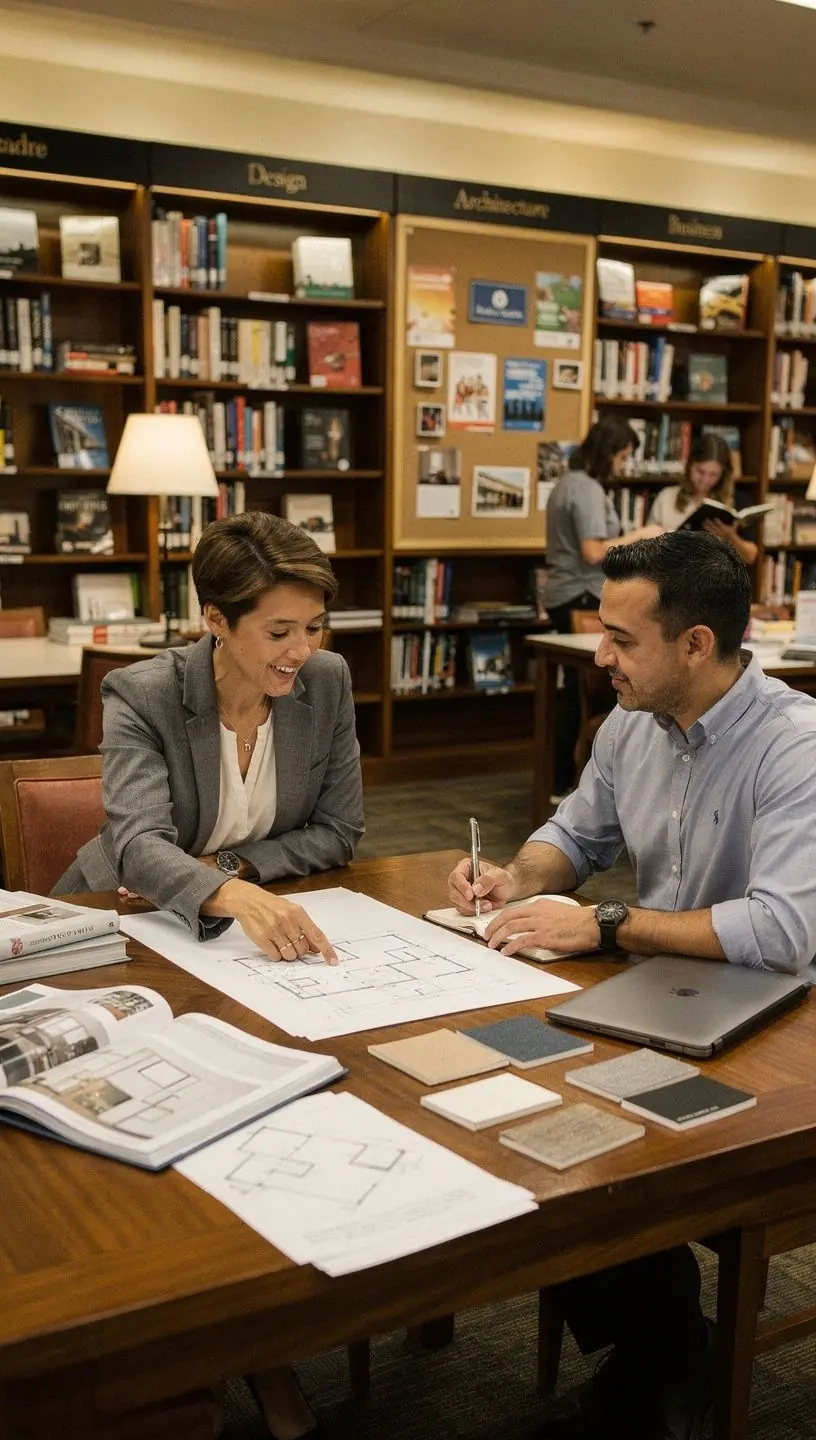
Steps for Conducting a Successful Interior Consultation
Conducting a successful interior consultation is essential for creating spaces that are not only functional but also reflect the personality and needs of the inhabitants. In this article, we will outline practical steps to ensure that your consultation is effective, educational, and yields satisfying results.
Understanding the Basics
Before diving into the consultation process, it's important to understand what an interior consultation typically involves. According to industry experts, a successful consultation is built on clear communication, thorough assessment, and a collaborative approach between the consultant and the client. This works because it fosters a deeper understanding of the client's needs, preferences, and lifestyle, which are critical in designing an effective layout.

"A well-conducted consultation can lead to designs that enhance productivity, comfort, and overall satisfaction." - Home Design Expert
Step-by-Step Consultation Process
- Initial Client Meeting: Schedule a face-to-face meeting with the client to discuss their vision, goals, and budget. This step typically takes about 1-2 hours. Experts recommend preparing a list of questions to guide the conversation.
- Site Assessment: Visit the space to gather information about dimensions, layout, lighting, and existing furnishings. This hands-on approach is essential as it allows the consultant to understand potential challenges and opportunities within the space.
- Needs Analysis: Analyze the information gathered from the client and the site assessment. This analysis should involve identifying functional requirements and aesthetic desires. Many users report that creating a detailed checklist helps in this analysis.
- Concept Development: Based on the insights gained, develop preliminary design concepts or visual layout options. This phase may take a week or more, depending on the complexity. Incorporating visual aids can significantly enhance client understanding and involvement.
- Presentation: Present the design concepts to the client, explaining how each element meets their needs. This step also involves discussing materials, colors, and furniture options. Be prepared to make adjustments based on client feedback.
- Finalization: After incorporating any feedback, finalize the design plan. This includes detailing timelines, budgets, and implementation strategies. Research indicates that clear communication at this stage can mitigate misunderstandings later on.
Key Considerations
While the steps outlined above provide a solid framework for conducting an interior consultation, there are several key considerations to keep in mind:
- Time Commitment: The entire process can take anywhere from 2-4 weeks, depending on the project scope.
- Effort Required: Clients must be willing to engage in discussions and provide feedback throughout the process. This collaboration is vital for achieving satisfactory outcomes.
- Customization: Remember that each project is unique. Solutions that work well in one context may not be suitable for another. Tailoring your approach to the specific needs of the client is crucial.
Conclusion
Conducting a successful interior consultation involves several thoughtful steps that prioritize the client's vision while leveraging professional expertise. By following the outlined process and keeping key considerations in mind, you can create spaces that resonate with your clients and fulfill their practical needs. Remember, the goal is to educate and empower clients, laying the groundwork for future design success.
Learn More