Understanding Spatial Design in Interior Planning
Spatial design is a critical aspect of interior planning that can significantly influence how individuals interact with their environment. This article aims to educate readers on the principles of spatial design, its applications, and how it can be effectively utilized for optimal interior planning.
What is Spatial Design?
Spatial design refers to the arrangement of physical space to enhance the functionality, aesthetics, and usability of an area. According to experts in architecture and interior design, spatial design is essential for creating environments that promote well-being and productivity. Many users report that well-designed spaces can lead to an increase in both efficiency and satisfaction within a given area.
Key Principles of Spatial Design
Understanding how to effectively implement spatial design involves grasping several key principles:
- Proportion and Scale: It's vital to consider the size of furniture and other elements in relation to the overall space. Studies indicate that proper scaling can enhance comfort and accessibility.
- Flow and Circulation: The movement within a space should feel natural and unobstructed. Research shows that spaces with good circulation patterns can improve user experience significantly.
- Light and Color: The use of natural light and appropriate color palettes can dramatically impact mood. Experts recommend that warm colors may create a more inviting atmosphere, while cooler tones can help promote focus.
"A well-planned space is not just about aesthetics; it's about creating an environment that supports its purpose." - Interior Design Expert
Implementing Spatial Design in Interior Planning
When applying spatial design principles, here are some practical steps to consider:
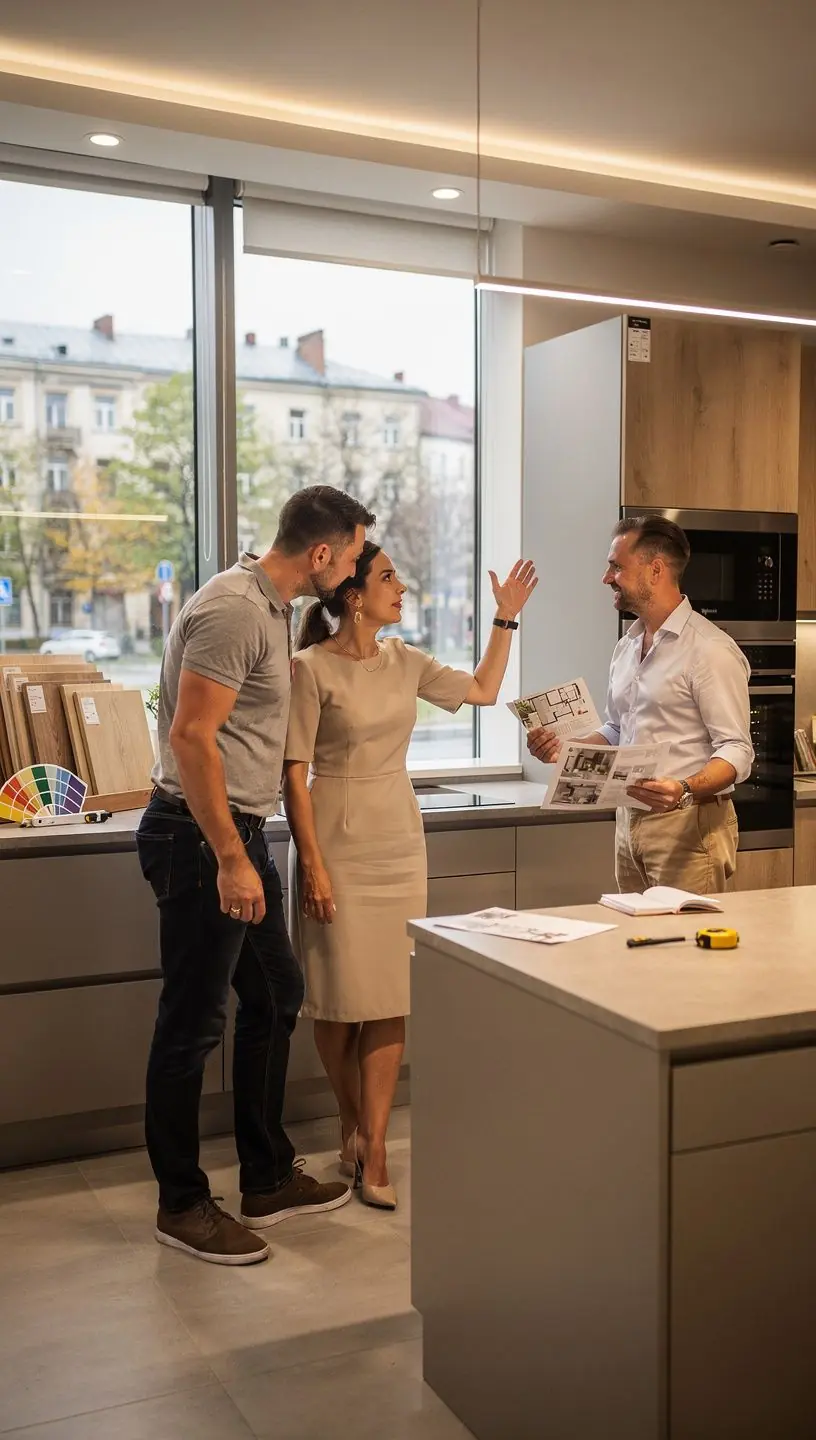
- Assessment of Needs: Begin by understanding the specific requirements of the space. This typically involves consultations with users to gather input on functionality and style preferences.
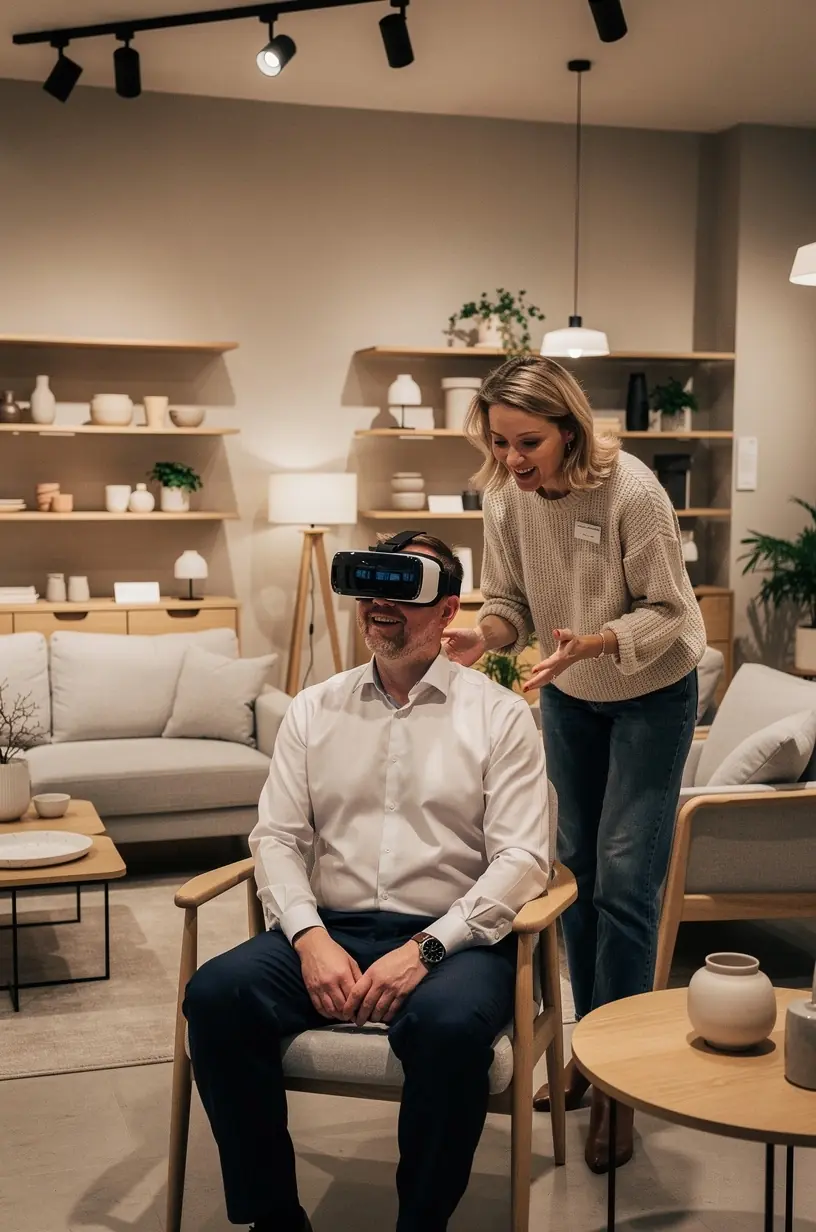
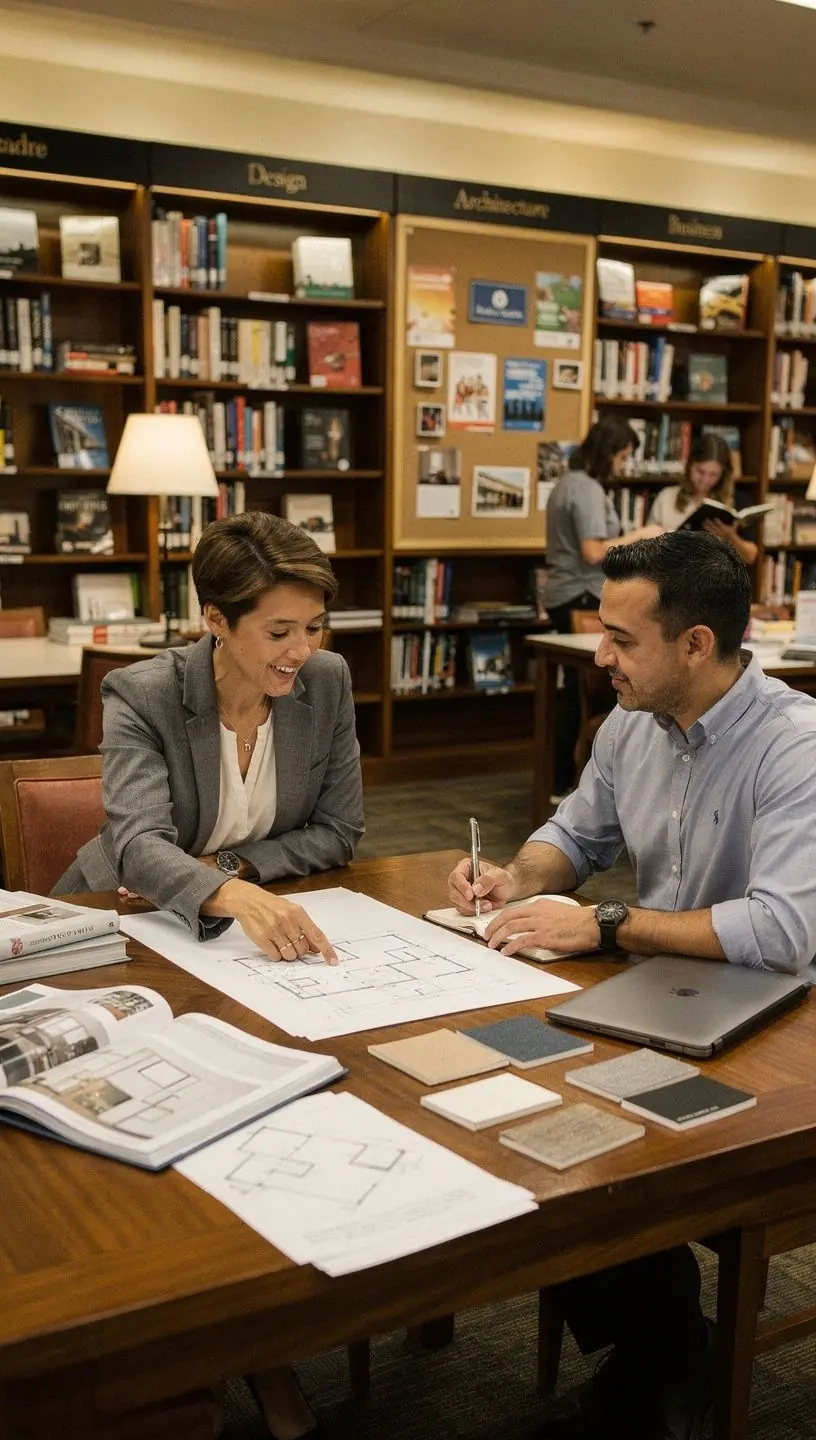
- Layout Planning: Create a visual layout that reflects user needs while adhering to the principles of proportion, flow, and lighting. Utilizing software tools can help visualize the space effectively.
- Iterative Design: Be prepared to revisit and adjust the design based on feedback and practical observations. This process may require several iterations to achieve optimal results.
Challenges and Considerations
While spatial design can significantly enhance the usability of a space, it is important to acknowledge certain limitations:
- This process typically takes 2-4 weeks depending on the complexity of the project.
- Successful implementation often requires a learning curve, particularly for those unfamiliar with design principles.
- It may not be suitable for spaces with fixed structural limitations, such as load-bearing walls or limited access.
Conclusion
Understanding spatial design is crucial for effective interior planning. By applying these principles thoughtfully, one can create spaces that not only look appealing but also support the activities that take place within them. Remember, while the journey of designing a space can present challenges, many users find that a well-considered approach can lead to transformative results.
Learn More