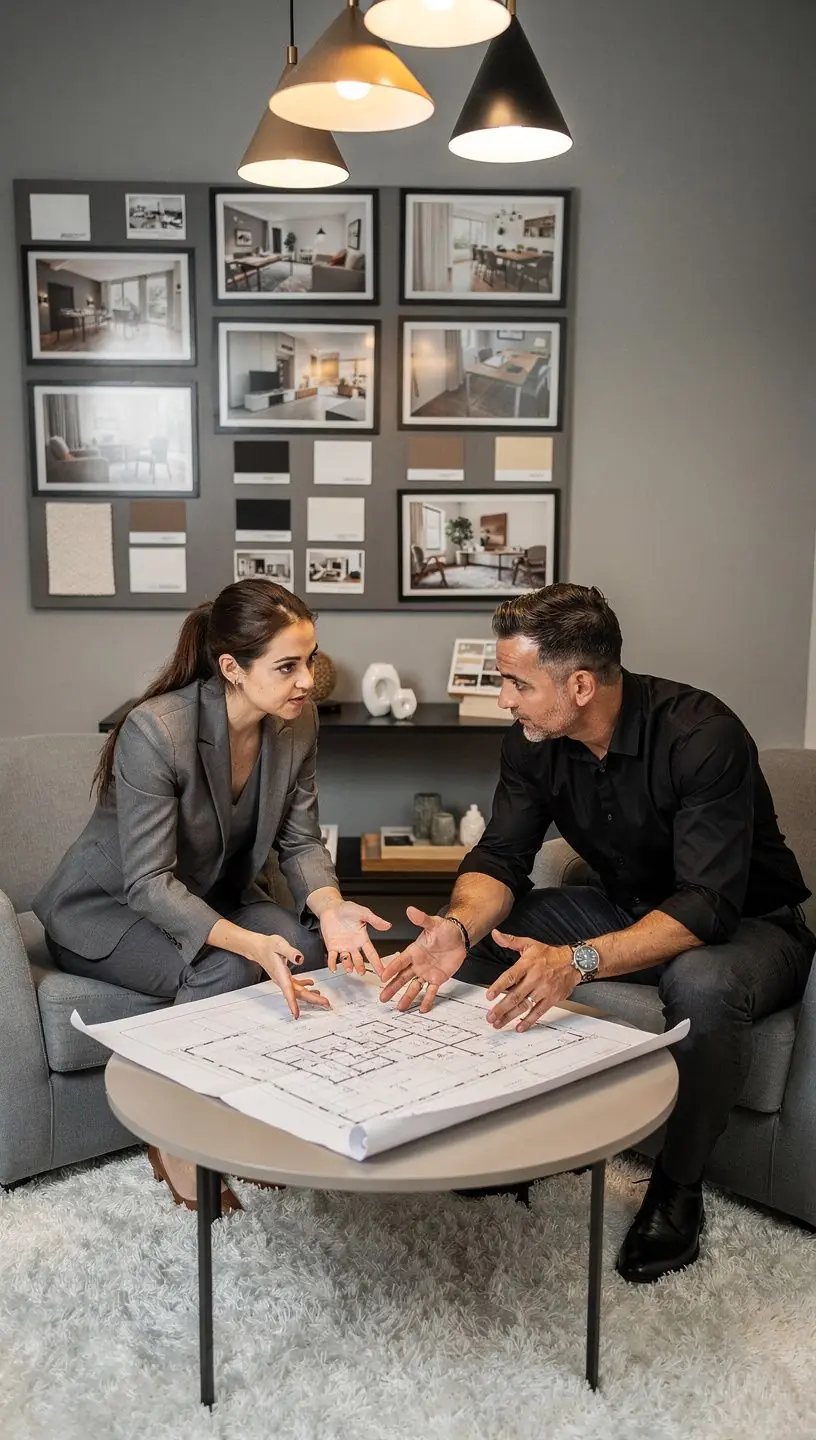
How Offline Consultations Enhance Design Outcomes
In the realm of interior design, making informed decisions is paramount. Offline consultations have emerged as a valuable tool, providing personalized guidance and enhancing design outcomes. This article explores how these interactions can significantly improve the planning and execution of interior spaces.
Understanding the Importance of Offline Consultations
Offline consultations typically involve face-to-face interactions between clients and design professionals. According to industry experts, these meetings allow for a more nuanced understanding of client needs, preferences, and expectations. The personal touch of in-person consultations can often lead to more tailored and effective design solutions.

"Personal interactions in design consultations often yield insights that online communications can't match." – Design Expert
Benefits of Face-to-Face Interactions
- Improved Communication: Many users report increased clarity in their needs and expectations when discussing their projects in person. Studies indicate that visual cues and body language significantly enhance understanding.
- Immediate Feedback: During offline consultations, clients can receive instant feedback on their ideas, which can be crucial in refining the design process. This helps in making timely adjustments and decisions.
- Visual Layout Assistance: Design professionals can use tools and materials to create visual layouts and mock-ups on the spot. This hands-on approach often leads to a clearer vision of the final outcome.
The Process of an Effective Offline Consultation
Typically, an offline consultation involves several steps:
- Initial Discussion: The designer discusses the client's vision, budget, and timeline to establish a clear foundation.
- Site Evaluation: A visit to the intended space allows the designer to evaluate dimensions, light conditions, and existing elements.
- Concept Development: Based on the gathered information, the designer creates initial layout options and visual designs, incorporating the client's feedback.
- Follow-Up Meetings: Regular check-ins ensure that the design process aligns with client expectations and allows for ongoing adjustments.
Challenges and Considerations
While offline consultations can enhance design outcomes, they do come with some limitations:
- They typically require a greater time commitment, often taking weeks for full consultations and follow-up adjustments.
- Clients must be prepared to actively participate in discussions and provide feedback, which may involve a learning curve.
- This approach may not be suitable for projects with extremely tight deadlines or those that require a purely digital workflow.
Conclusion
In summary, offline consultations can significantly enhance the outcomes in interior design by fostering effective communication, allowing for immediate feedback, and providing visual layout assistance. While they require a time commitment and active client participation, the benefits often outweigh the challenges. For those looking to improve their interior planning projects, engaging in offline consultations can be an effective strategy that aligns with industry best practices.
Learn More