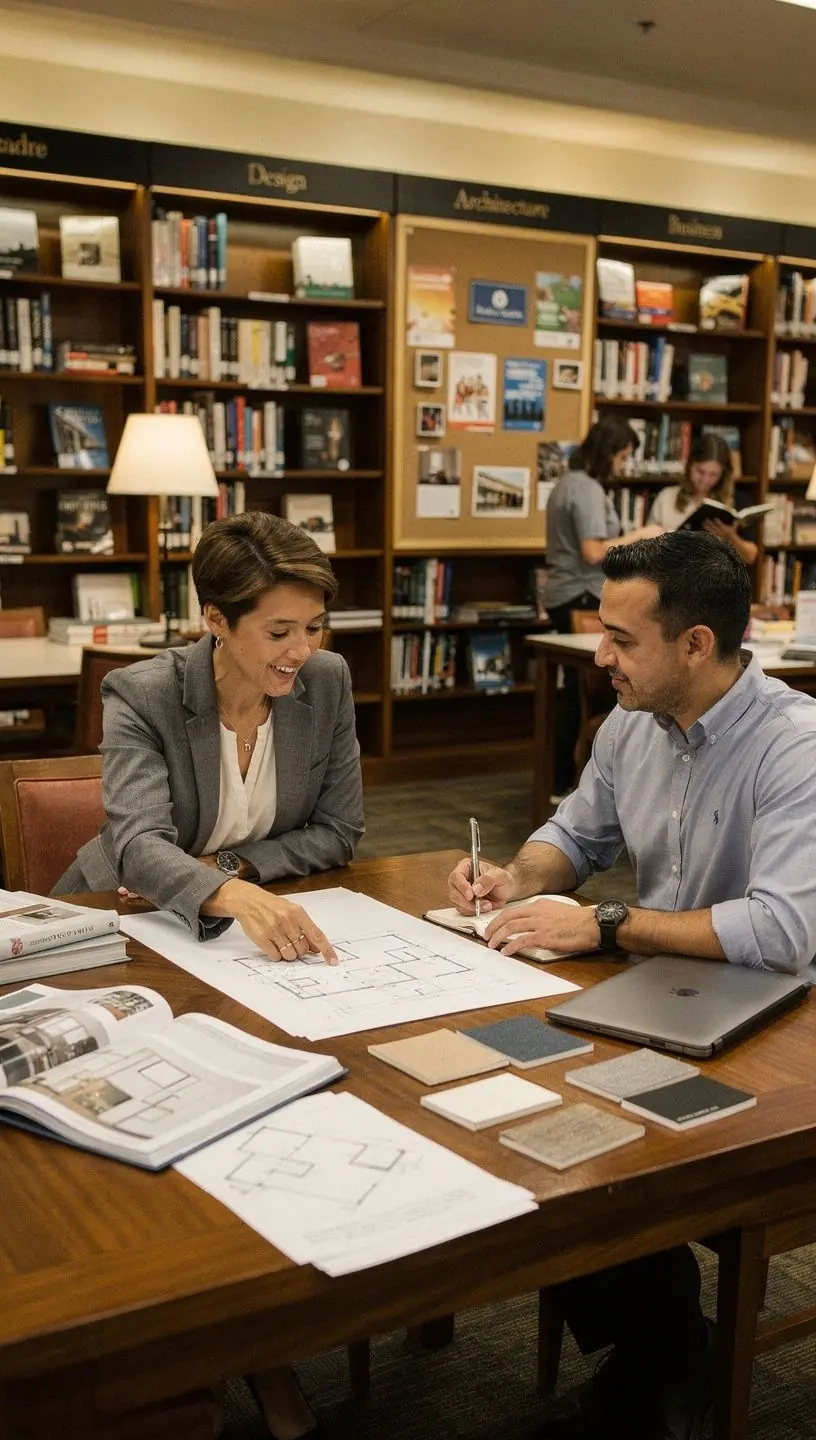
Understanding the Impact of Furniture Placement
Furniture placement is a critical aspect of interior design that can significantly affect the functionality and aesthetic appeal of a space. In this article, we will explore the principles behind effective furniture arrangement and how it can enhance your living experience.
Understanding the Basics
According to research in environmental psychology, the arrangement of furniture can influence mood, productivity, and even social interactions. For instance, studies suggest that an open layout can foster collaboration and a sense of community, while defined spaces can provide comfort and privacy. Effective furniture placement is often about balancing these dynamics to suit the needs of the inhabitants.
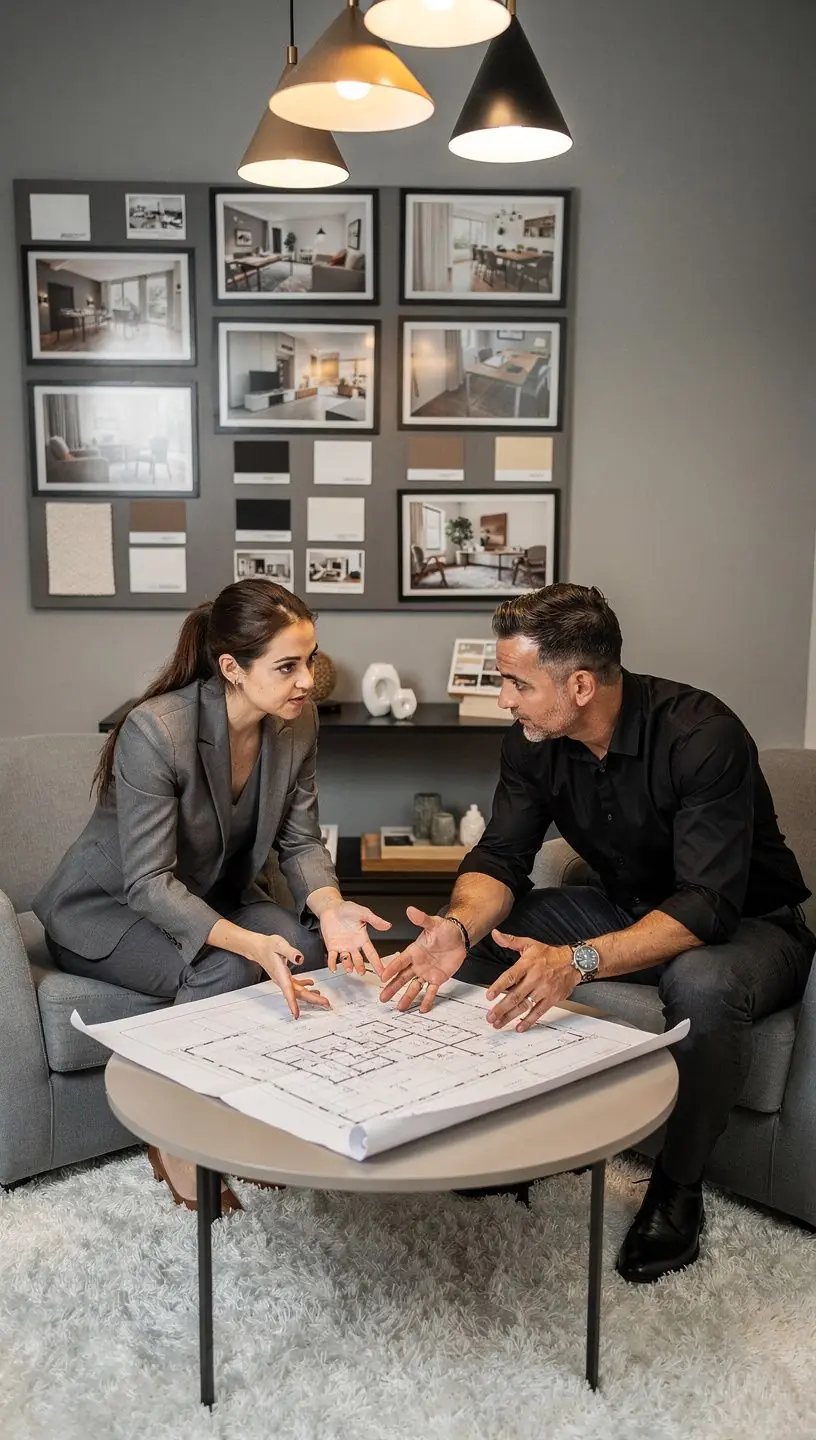
"The way we arrange our furniture can shape our interactions, comfort levels, and overall satisfaction with our living spaces."
Key Principles of Furniture Placement
- Flow and Accessibility: Ensure that pathways are clear and furniture is arranged to promote easy movement throughout the room. Many users report that a well-planned flow can make a space feel larger and more inviting.
- Functionality: Consider the primary function of the room. For example, in a living room, seating should encourage conversation and connectivity. Experts recommend grouping chairs and sofas to facilitate interaction.
- Visual Balance: Strive for a sense of visual equilibrium by distributing furniture sizes and shapes evenly throughout the room. This can create a more harmonious look and feel, making the space more enjoyable to inhabit.
Practical Application
When arranging furniture, it’s important to keep in mind the following steps:
- **Assess the Space:** Measure the room and consider its dimensions. This typically takes a little time but is essential for optimal placement.
- **Define the Room's Purpose:** Clearly identify how the space will be used. This will guide your decisions on what furniture to include and how to arrange it.
- **Experiment with Layouts:** Use software tools or create a floor plan on paper to visualize different arrangements. Industry standards suggest trying multiple configurations before settling on one.
Acknowledge Limitations
While effective furniture placement can dramatically improve a space, it typically requires careful planning and occasionally, a learning curve. Some users find it helpful to consult with interior planning experts to navigate complex layouts or to achieve a desired aesthetic. Additionally, keep in mind that not all arrangements will suit everyone—what works best often depends on individual preferences and lifestyle.
Conclusion
Understanding the impact of furniture placement is essential for creating inviting and functional spaces. By following the principles outlined in this article, you can enhance the usability and aesthetic appeal of your home. Remember, effective furniture placement is a thoughtful process that may take time and experimentation, but the benefits to your living environment can be significant.
Learn More