Guidelines for Integrating Nature into Interiors
Incorporating natural elements into interior spaces can enhance well-being and improve aesthetics. This article outlines effective strategies for integrating nature into your home or workspace, supported by research and expert recommendations.
Understanding the Basics of Biophilic Design
Biophilic design, which emphasizes the connection between humans and nature, is increasingly recognized for its benefits. According to studies, environments that incorporate natural elements can lead to improved mood and reduced stress levels. Experts in interior design recommend biophilic design as a proven approach to enhancing indoor environments.
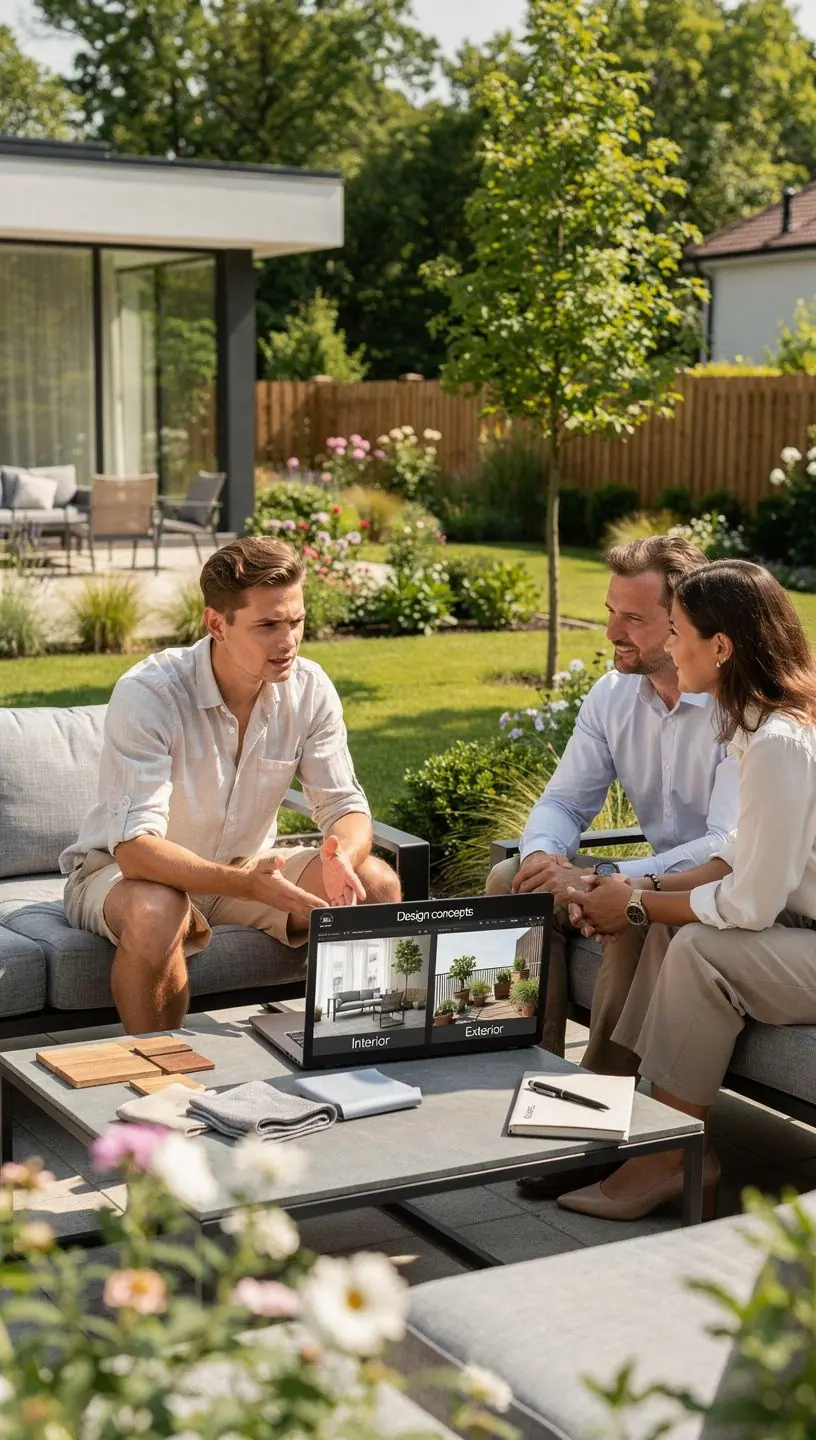
"Research indicates that biophilic design can improve productivity by 15-20% in workplace settings."
Practical Strategies for Integration
- Incorporate Indoor Plants: Adding plants to your interiors can improve air quality and increase feelings of well-being. Many users report a greater sense of peace when surrounded by greenery. Start with low-maintenance options like pothos or snake plants to ease into this practice.
- Utilize Natural Light: Maximizing natural light in your space can boost mental clarity and energy levels. Consider using sheer curtains to allow light while maintaining privacy. Industry experts suggest that this approach works best in spaces where direct sunlight is available for a significant part of the day.
- Use Natural Materials: Building materials such as wood, stone, and natural fibers can create a warm and inviting atmosphere. This is effective because natural materials can evoke a sense of comfort and familiarity. However, be mindful that sourcing sustainable materials may require additional research.
Design Principles to Consider
When incorporating nature into interior design, it is essential to understand the principles behind these integrations:
- Balance: Strive for a harmonious balance between natural and artificial elements. Too much of one can overwhelm the senses.
- Context: Ensure that the natural elements you choose resonate with the overall theme of your space. This helps create a cohesive look.
- Functionality: While aesthetics are important, ensure that any natural elements serve a functional purpose in your space, such as improving air quality or providing shade.
Acknowledging Limitations
Integrating nature into your interiors typically takes time and requires careful planning. It may involve a learning curve, especially when selecting the right plant species or materials. In most cases, results may become noticeable within a few weeks as the space transforms. However, it is crucial to set realistic expectations; not every space may be suitable for all biophilic elements, particularly in areas with limited natural light.
Conclusion
Incorporating natural elements into your interiors can significantly enhance your space in terms of aesthetics and well-being. By following the guidelines outlined above, you can create an environment that not only looks inviting but also promotes health and productivity. Remember, the journey towards a more natural interior is ongoing, and patience will yield the best results.