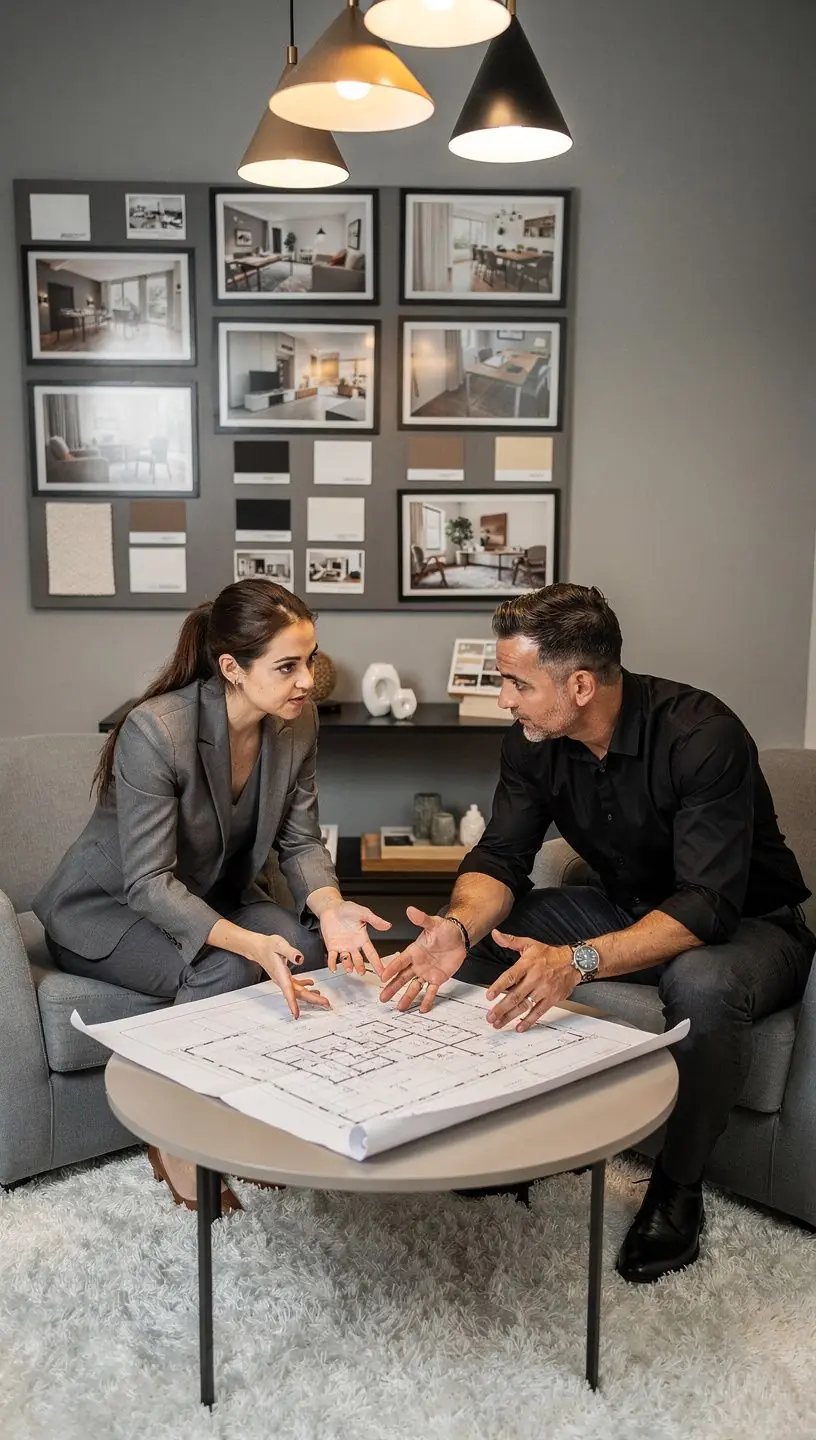
Exploring Different Styles of Visual Layout Design
Visual layout design plays a critical role in interior planning, influencing both aesthetics and functionality. In this article, we will explore various styles of visual layout design, their principles, and how they can enhance your space.
Understanding the Basics of Visual Layout Design
Visual layout design refers to the arrangement of elements within a space to create a cohesive and functional environment. Experts suggest that an effective layout can significantly affect emotional well-being, productivity, and even social interaction within a space. According to research, layouts that promote flow and accessibility can lead to a 20-30% increase in productivity in office settings.

"The right visual layout design can transform a space, making it not just beautiful but also functional."
Popular Styles of Visual Layout Design
When it comes to visual layout design, there are several popular styles that cater to different tastes and needs. Here are a few notable ones:
- Minimalist: This style focuses on simplicity and functionality. It often involves uncluttered spaces filled with essential furniture that enhances flow.
- Industrial: Characterized by raw materials and a more utilitarian aesthetic, the industrial style often embraces open layouts and exposed structures.
- Contemporary: This style changes with trends but generally emphasizes clean lines and open spaces, often integrating modern technology seamlessly.
- Traditional: With a focus on classic designs and a warm color palette, traditional layouts often include symmetrical arrangements that promote balance.
Practical Application of Visual Layout Design
Implementing these styles requires a thoughtful approach. Here are some considerations when planning your visual layout:
- Assess Your Space: Take measurements and understand how space is utilized. This typically takes a few hours and is crucial for successful layout planning.
- Define Your Needs: Identify the primary functions of the space. This may involve gathering input from others who use the space, which can enhance the design process.
- Experiment with Arrangements: Use software or simple sketches to visualize different layouts. Many users report that seeing options on paper or screen helps clarify the best fit for their needs.
Conclusion
Understanding different styles of visual layout design can significantly impact the functionality and aesthetic appeal of your space. While the process of selecting and implementing a layout can take time and effort—typically requiring 2-4 weeks for adjustments—taking a measured approach can lead to effective results. Remember, the goal is to create a space that reflects your personality and meets your needs while incorporating best practices in design.
Learn More